Login

Signup

Addis Ababa Ukraine Peace Formula Seminar

African and Ukrainian Experts Convene

Date: February 22, 2026
Place: Addis Ababa

The Addis Ababa Ukraine Peace Formula seminar brought together African and Ukrainian experts, policymakers, diplomats, and students to confront the global consequences of russia’s full-scale invasion of Ukraine. Held from 26–28 January in Addis Ababa, Ethiopia, the high-level seminar focused on regional security, nuclear safety, and human rights — issues that increasingly connect Africa’s future to the outcome of the war.

Far from being a distant European conflict, the war against Ukraine is reshaping global stability, exposing systemic weaknesses in international governance, and raising urgent questions for African states navigating security, sovereignty, and development.


Why the Addis Ababa Ukraine Peace Formula Seminar Matters for Africa

The discussions made one point clear: the war is not contained to Europe. Its ripple effects — from food security disruptions to nuclear risks — are global, and Africa is directly affected.

Participants emphasised that existing international structures, particularly the UN system, are struggling to respond effectively. Calls for a more representative UN Security Council and meaningful restraint on the veto power are gaining urgency, not only for Ukraine, but for the credibility of global governance itself.

The Addis Ababa Ukraine Peace Formula seminar positioned African voices not as observers, but as contributors to shaping a more just and functional international order.


Key Themes of the Addis Ababa Ukraine Peace Formula Seminar

  1. Regional Security Architecture and Just Peace
  2. Nuclear Safety and International Governance
  3. Protection of Children in Armed Conflict


From Dialogue to Policy Action

During the seminar, two policy briefs were presented:

  • Addressing Militarisation, Recruitment, Abduction, and Indoctrination of Children: Africa’s Lessons for Ukraine
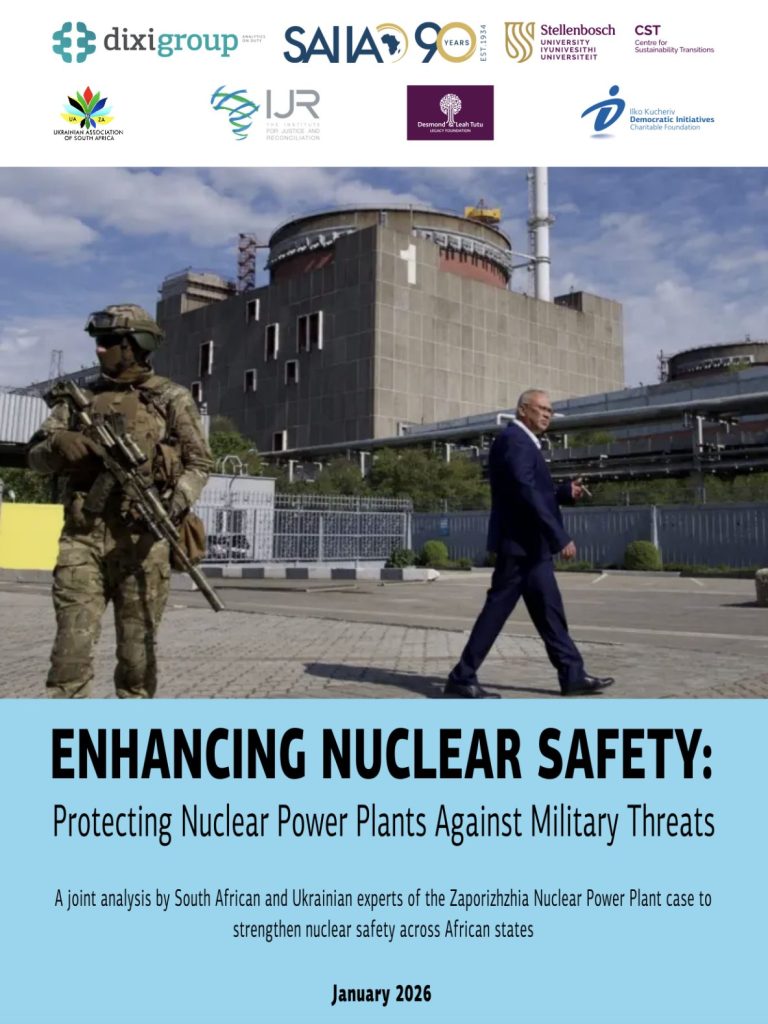
  • Enhancing Nuclear Safety: Protecting Nuclear Power Plants Against Military Threats

These contributions reflect a growing body of African-Ukrainian collaboration aimed at translating dialogue into actionable policy recommendations.


A Growing African–Ukrainian Partnership

The Addis Ababa Ukraine Peace Formula seminar forms part of a broader initiative launched in December 2023, bringing together civil society and academic institutions from both regions. The platform includes the Institute for Justice and Reconciliation, the Desmond and Leah Tutu Legacy Foundation, the Ilko Kucheriv Democratic Initiatives Foundation, and the Ukrainian Association of South Africa.

Together, these actors are building a collaborative space where African and Ukrainian perspectives converge — not only to respond to the current war, but to shape the principles of future peace.


Looking Ahead

As global power structures continue to shift, Africa’s role in shaping international peace frameworks is becoming increasingly important. The Addis Ababa seminar demonstrated that African expertise is not peripheral — it is essential.

The challenge now is not only to sustain dialogue, but to ensure that these insights influence global policy. Because the stakes are no longer regional.

They are global.

Key Themes of the Addis Ababa Ukraine Peace Formula Seminar

Regional Security Architecture and Just Peace

This session explored how international governance must evolve to better protect territorial integrity, sovereignty, and accountability. Participants reflected on how African diplomatic traditions and conflict-resolution frameworks can inform a more balanced and enforceable model of “just peace.”

In a world where smaller and mid-sized states remain vulnerable to aggression, African leadership was recognised as critical in advancing norms that go beyond rhetoric and ensure real protection.

Nuclear Safety and International Governance

Ukraine and South Africa share a unique position: both voluntarily relinquished nuclear weapons and committed to the Treaty on the Non-Proliferation of Nuclear Weapons (NPT). Today, Africa is increasingly investing in nuclear energy, with over 20 countries expressing interest.

Yet the military occupation of the Zaporizhzhya Nuclear Power Plant — one of the largest in the world — has exposed a dangerous gap in international law. Existing frameworks do not adequately regulate nuclear safety during armed conflict.

At the Addis Ababa Ukraine Peace Formula seminar, experts presented policy recommendations aimed at strengthening global nuclear governance, ensuring that African countries pursuing peaceful nuclear energy are not exposed to the risks of militarised nuclear infrastructure.

Protection of Children in Armed Conflict

The forced deportation, militarisation, and indoctrination of Ukrainian children by the russian federation brought renewed urgency to a long-standing global issue.

Across Africa and beyond, children continue to be exploited in armed conflicts — as soldiers, porters, and instruments of war — despite existing legal protections. What is unfolding in Ukraine demonstrates that these violations are becoming more systematic, organised, and transnational.

Participants examined accountability mechanisms and shared African experiences in child protection, highlighting how these lessons can strengthen international responses. The discussion reinforced a critical truth: the protection of children in war is not a regional issue — it is a global moral and legal obligation.

Access the Policy Briefs in Arabic, English, French, Portuguese, and Kiswahili